

Keynote Speakers
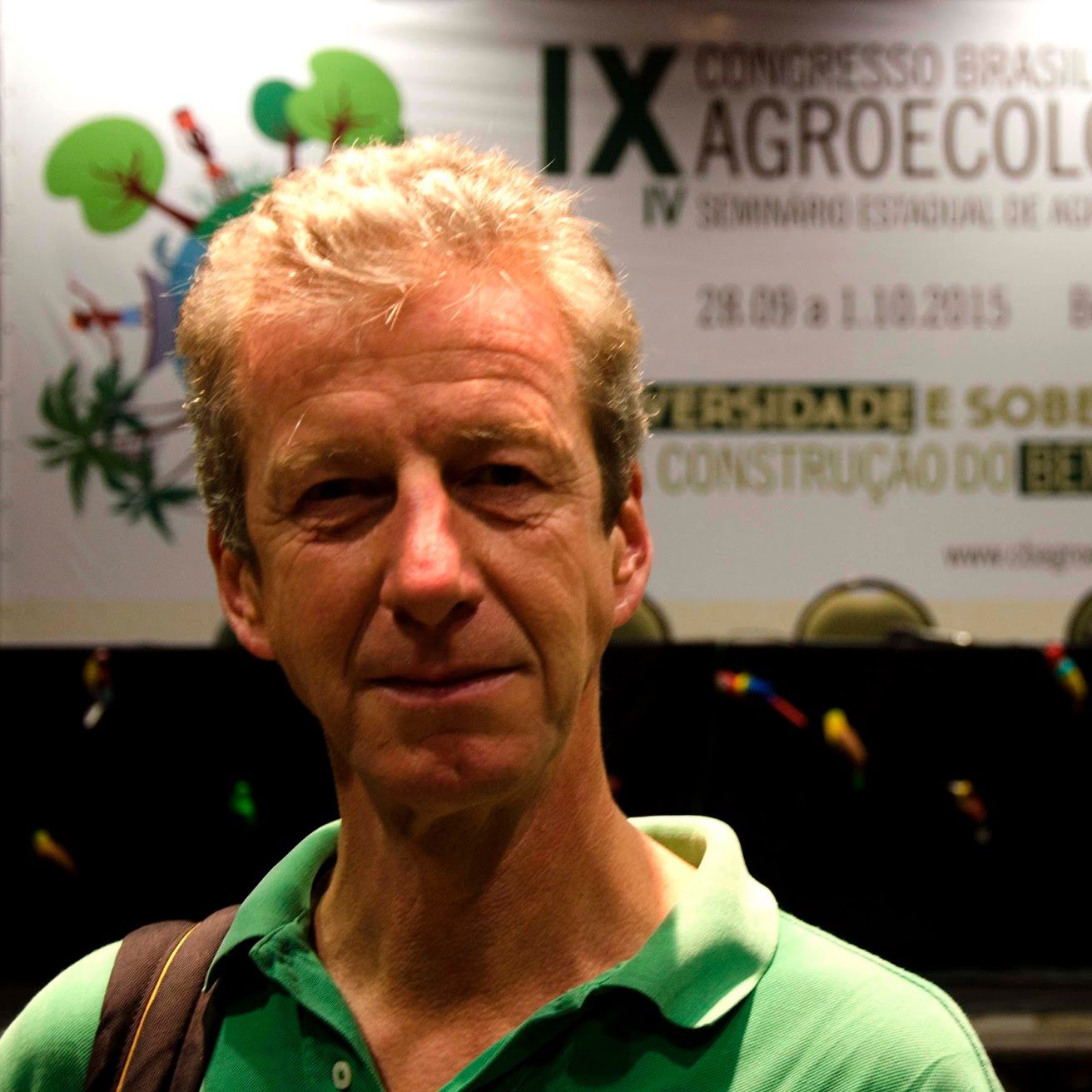
Stéphane Bellon
National Institute for Agricultural Research (INRA), France.
Stéphane Bellon is a senior scientist and agronomist at the National Institute for Agricultural Research (INRA) Ecodevelopment Unit in Avignon, France. His main research line is about transitions towards ecologically-based agricultures, focusing on diversified or complex systems, organic food and farming, agroecology, horticulture and sustainable cropping and animal feeding systems. He is currently involved in national, European and transnational research programmes or projects.
TALK: Agroecology in action – institutionalization at the interface between science, practices, social movements and public policies.

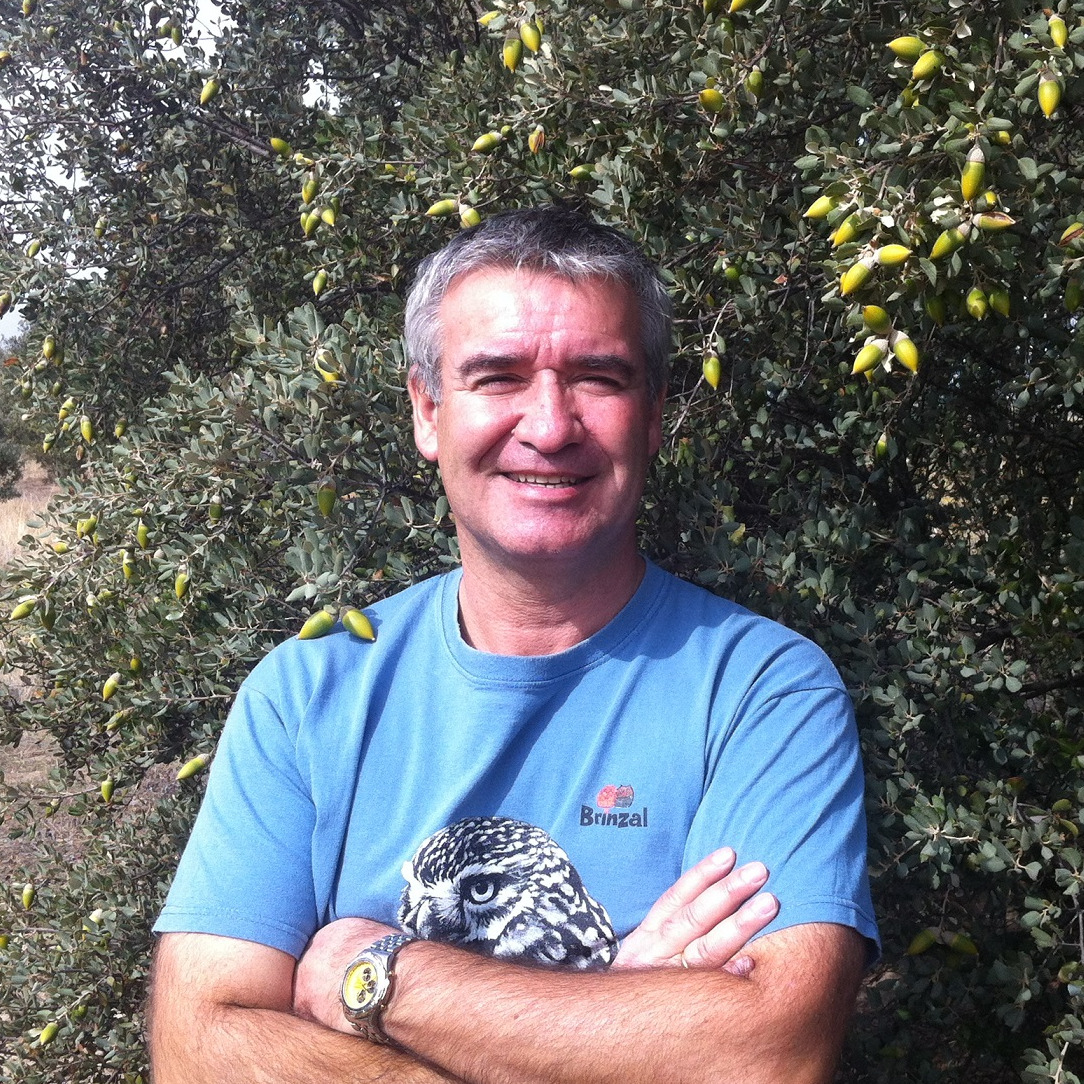
José María Rey Benayas
University of Alcalá, Spain.
José María Rey Benayas is a Professor of Ecology at the University of Alcalá. His research focuses on the restoration of biodiversity and ecosystem services in agricultural landscapes and currently leads a Master’s Program on Ecosystem Restoration. He founded with other colleagues from different countries the International Foundation for Ecosystem Restoration intended to transfer academic knowledge to the society.
TALK: Restoration in agricultural landscapes for enhancing biodiversity and its services without competition for land.

Montserrat Vilà
Spanish National Research Council, Estación Biológica de Doñana (EBD-CSIC), Spain.
Montserrat Vilà is the Coordinator of evaluations in Plant Biology, Animal Biology and Ecology of the Spanish National Research Council. Her research focuses on the ecology of biological invasions, especially in Mediterranean ecosystems. Her main areas of study include landscape and environmental factors associated to invasions, biotic factors controlling non-native plant establishment and ecological and economic impacts of biological invasions.
TALK: Biological invasions and agroecosystems
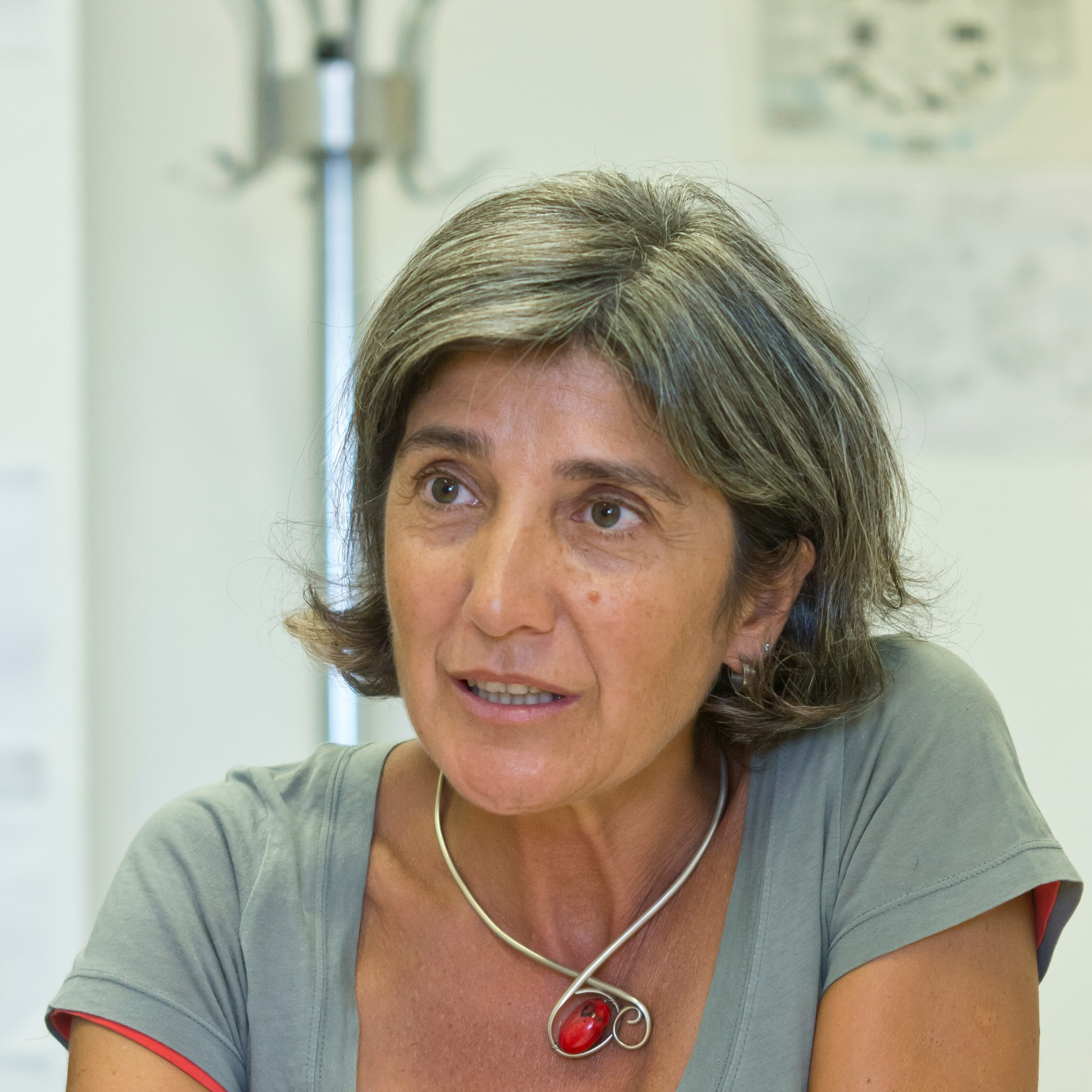
Teresa Pinto Correia
Institute of Mediterranean Agricultural and Environmental Sciences (ICAAM), University of Évora, Portugal.
Teresa Pinto Correia the head of the DYNAMO – Rural Landscape Research Team Lab from the Institute of Mediterranean Agricultural and Environmental Sciences, University of Évora. Her research focuses on the dynamics and management of the rural landscape, the relation between agriculture and landscape, multifunctionality of landscapes, transitional processes in rural areas, multi-scale management policies and decisions, and the relations between decison-makers and users with the landscape.
TALK: Sustainable Agriculture – from science to practice.
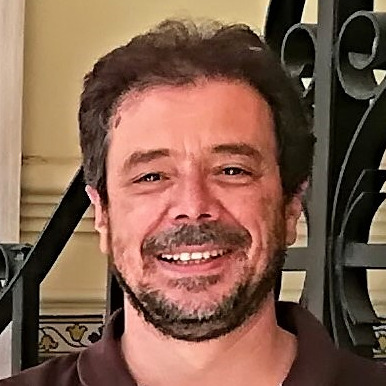
Pedro Beja
Research Center in Biodiversity and Genetic Resources (CIBIO/InBio), University of Porto, Portugal.
Pedro Beja is a Coordinating Researcher at the Research Center in Biodiversity and Genetic Resources, University of Porto. His research is focused primarily on the conservation biology of a range of vertebrates, with special attention to the actual application of conservation research. He has developed several research projects analysing the interactions between biodiversity and forest and agriculture management; and conservation and ecological role of top predators, addressing themes such as predation, population ecology and genetics, and feeding ecology.
TALK: Mainstreaming DNA metabarcoding in agroecology – a short review on challenges and opportunities
Book of Abstracts
The Book of Abstracts of ibagreco2018 is now availabe!
Oral Communications
- Benayas (2018). Restoration in agricultural landscapes for enhancing biodiversity and its services without competition for land.
- Santana et al. (2018). Are farming systems useful indicators of biodiversity for high natural value grasslands?
- Pardo et al. (2018). Farmland biodiversity across diverse European agricultural systems: assessing the effect of Green and Blue Infrastructure.
- Costa et al. (2018). Seasonal variations in the effect of structural complexity of olive production systems on bat activity: implications for natural pest control services.
- Leal et al. (2018). Does grazing affect ground-foraging birds in Mediterranean agroforestry systems?
- Velado-Alonso & Gómez-Sal (2018). Exploring livestock biogeographical regions. A tool for agro-ecological planning and nature conservation.
- Melguizo-Ruiz et al. (2018). Soil communities under pressure: agricultural intensification impacts invertebrate abundance and diversity.
- Marks et al. (2018). Management and evolution of rural green infrastructures for pollinator protection.
- Gómez-Martínez et al. (2018). Bumblebees’ community composition and pollination specialization change in response to habitat fragmentation in an agricultural landscape in southern Norway.
- Costa et al. (2018). Cattle-driven forest disturbances impact ensemble composition and activity levels of insectivorous bats in Mediterranean wood pastures.
- Trillo & Vilà (2018). Use of commercial bumble bees to pollinate strawberry crops and their spillover to natural habitats.
- Reverter et al. (2018). Effects of crops on the space use and habitat quality of steppe birds: the Dupont ́s lark case.
- Beja (2018). Mainstreaming DNA metabarcoding in agroecology: a short review on challenges and opportunities.
- Vasconcelos et al. (2018). Cascading effects of olive farm intensification on phytophagous insects and their natural enemies.
- Usero et al. (2018). Influence of organic matter availability on plant-soil interactions.
- Ares et al. (2018). Towards sustainable agriculture: Innovative solutions for Psa from the microbiome of Actinidia deliciosa.
- Tenza et al. (2018). Supporting decision-making processes: evaluation of policy options to the sustainability of a small agro-system in the face of climate change.
- Baroja et al. (2018). Bats take advantage of numerous pest arthropods in vineyard systems: a metabarcoding approach.
- Lázaro et al. (2018). Disentangling direct and indirect effects of habitat fragmentation on pollination service: natural communities within agricultural landscapes.
- Hevia et al. (2018). Exploring the effect of a green infrastructure on wild bee abundance and pollination services in adjacent sunflower fields.
- Morgado et al. (2018). The effects of olive farming intensification on Mediterranean breeding bird assemblages.
- Pereira et al. (2018). Effects of human management on the diversity of plant communities associated to traditional Mediterranean olive groves.
- Reis & Coelho (2018). Traditional olives groves: the agroecology as the best path.
- Vilà (2018). Biological invasions and agroecosystems.
- Bartomeus et al. (2018). Species turnover promotes the importance of bee diversity for crop pollination at regional scales.
- Leiva et al. (2018). Diversity at different organization levels. Importance for biological pest control in agroecology – A review.
- Rodríguez et al. (2018). Methods to control the invasion of Acacia melanoxylon for recovering native agroforestry systems.
- Jiménez-Gómez & Vela-Campoy (2018). Malaga community gardens: review and future perspectives.
- Muñoz-Rojas (2018). What drives land-use changes and their sustainability in Mediterranean agro-ecosystems?: a view from SW Iberia.
- Costa et al. (2018). Impact of family farming practices in the environment.
- Palomo-Campesino et al. (2018). Exploring the connections between agroecological practices and ecosystem services supply: A systematic literature review.
- Ureña-Cámara et al. (2018). Consumers’ valuation of pasture-based livestock products through sustainability attributes.
- Couto et al. (2018). Bringing transhumance back to life as an option for the future: collection of nine years of experience.
- Fernández-Quintanilla et al. (2018). Using a middle-way strategy for weed management in dry-land cereal systems in Central Spain.
- Almagro et al. (2018). Plant residue quality mediate soil organic matter stabilization in an organic rainfed Mediterranean woody cropping system.
- Hernández-Plaza et al. (2018). Functional characterization of weed communities help to explain their effects on crop performance.
- Bellon (2018). Agroecology in action – Institutionalization at the interface between science, practices, social movements and public policies.
- Bastidas (2018). Adaptação climática ao nível da exploração agrícola: a experiência do projeto LIFE Montado Adapt.
- Palomo-Guijarro (2018). Proyecto MOSAICO: Una estrategia participativa de prevención de incendios en la Alta Extremadura.
- Rey et al. (2018). LIFE-project OLIVE-ALIVE: designing an olive cultivation to recover biodiversity and profitability.
- Pinto Correia (2018). Sustainable agriculture: from science to practice.
- Oliveira (2018). Fostering a science-based cooperative ecosystem in organic vineyard management.
- Vega-Rubio (2018). Gestión de pastoreo en ecosistema de dehesa.
Poster Session
- Sánchez-Martín et al. (2018). Effects of vegetation management on plant diversity in traditional irrigation systems.
- Jiménez et al. (2018). Trade-off among organic farming or abandonment vs. traditional management on plant diversity of sloping olive groves.
- Labrador-Moreno et al. (2018). Agrarian landscape, natural landscape: an agroecological territorial approach for the space “Sierra Grande de Hornachos” (Extremadura, Spain).
- Jiménez-Gómez et al. (2018). Cultivating Future: promotion of Multifunctional Plants (PlaM) in Malaga.
- Araújo et al. (2018). Does dry-farming systems induce beneficial adaptations to young plantsafter a heat episode?
- Ruiz-Morales et al. (2018). Shepherd School of Andalusia: agroecological training linked to the extensive livestock.
- Garcia et al. (2018). I9kiwi – Development of strategies for the sustainability of the kiwifruit industry through the creation of a value-added product.
- Sabán de la Portilla & García-Llorente (2018). Mapping social and inclusive farming initiatives in Madrid region.
- Rosas-Ramos et al. (2018). Ecological infrastructures within Mediterranean agroecosystems: Towards an effective tool for evaluating their ecological quality.
- Aranda-Barranco et al. (2018). Influence of weed cover on assimilation, transpiration, stomatal conductance and water use efficiency in an olive orchard.
- Lorenzo et al. (2018). Innovative and sustainable solutions for agricultural problems could help controlling exotic plant invasions.
- Pérez-Vera et al. (2018). Therapeutic horticulture and mental health: an integrating experience of pupils with different capacities in pedagogical orchards.
- Martín-Expósito et al. (2018). Effect of the fertigation dose on the ecological legumes cultivation under greenhouse: pea (Pisum sativum) and sugar snap pea (Pisum sativum L. macrocarpon).
- Dias et al. (2018). Physiological responses to climate change of traditional Portuguese olive cultivars.
- Alarcón-Víllora et al. (2018). Preliminary assessment of the competitive ability of different bitter vetch landraces (Vicia ervilia L. (Willd.)) in integrated weed management strategies.
- Sayadi-Gmada et al. (2018). Towards a zero inorganic waste production in greenhouses horticulture sector: Challenges for sustainable bioeconomy farming systems in the South of Spain.
- Virto et al. (2018). Multicriteria land suitability and climate change impact analysis for woody crops in north-central Spain.
- Figueira et al. (2018). Genetic diversity of Pseudomonas syringae pv. actinidiae: seasonal and spatial population dynamics.
- García-García et al. (2018). Nutritional value of fresh organic legumes from protected crops.
- Castro et al. (2018). Quantifying pollination deficits in kiwi (Actinidia deliciosa) in Portugal.
- Tobajas et al. (2018). Parental investment strategies of the solitary bee Osmia caerulescens (Linnaeus, 1758) in cherry agroecosystems.
- Fernàndez & Blanco-Moreno (2018). Effects of agricultural intensification on the community of bees in cereal landscapes.
- Ucero-Solís et al. (2018). Management Osmia bicornis and study of other bee communities associated to rape crops.
- Sainz-Alonso et al. (2018). Estimation of a sunflower pollination buffer.
- Zaragoza-Trello et al. (2018). Temporal and spatial niche partitioning in pollinator communities on sunflower fields.
- Carvalho et al. (2018). Pollination services in Pomoideae and Prunoideae orchards: does pollinator deficit compromise fruit production?
- Mota et al. (2018). Poll-Ole-GI SUDOE: rural green infrastructures for the improvement of pollination services.
- Rodríguez-Sousa et al. (2018). Lepidoptera as bioindicator of the conservation degree of olive groves in the Mediterranean.
- Peredo y Parada et al. (2018). Agroecological studies on soil biodiversity: changes and tendencies related with farm design in Mediterranean agroecosystems.
- Janssen et al. (2018). Monitoring of biological pest control in tomato greenhouses.
- Ferreira et al. (2018). Promoting sustainable cacao through bat ecosystem services.
- Duarte et al. (2018). Distribution of Dicyphus cerastii Wagner (Heteroptera: Miridae) in Portugal.
- Figueiredo et al. (2018). Autochthonous parasitoid controls an invasive species in protected vegetable crops – preliminary evaluation.
- Valério et al. (2018). Ecosystem services provided by soil arthropods across different crop production systems.
- Benhadi-Marín et al. (2018). Spatial variability of the spider community in the olive grove agroecosystem in Trás-os-Montes (Portugal).
- Ayala-Doñas et al. (2018). IFCP233.1, a new source of parthenocarpy for courgettes breeding.